Written by
on
At eduWeb Summit 2026, conversations about AI, enrollment marketing, student communications, and digital engagement all led back to the common idea of helping students navigate increasingly complex decisions.
While artificial intelligence was a frequent topic throughout the conference, the bigger conversation focused on how institutions can create clearer, more meaningful experiences for students.
Whether speakers were discussing search, websites, communications, measurement, or enrollment strategy, a common theme emerged: Clarity builds confidence. The following are four ideas from eduWeb Summit 2026 that college and university marketers can begin applying today.
1. Clear Communication Is a Competitive Advantage
One of the strongest themes throughout the conference came from higher education practitioners focused on student communications.
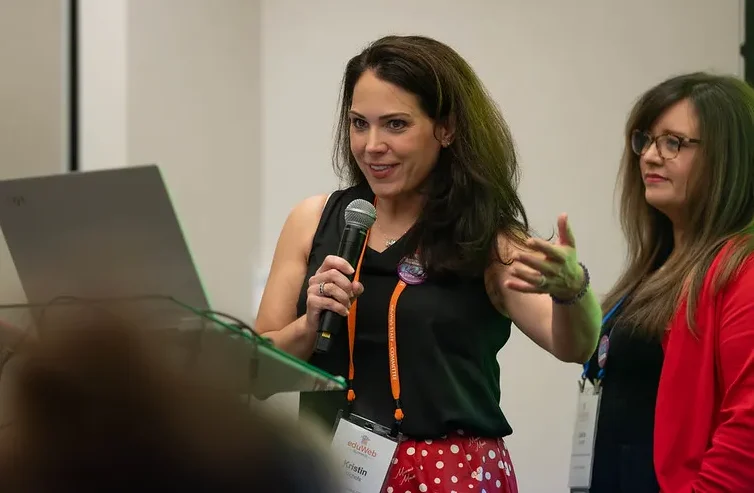
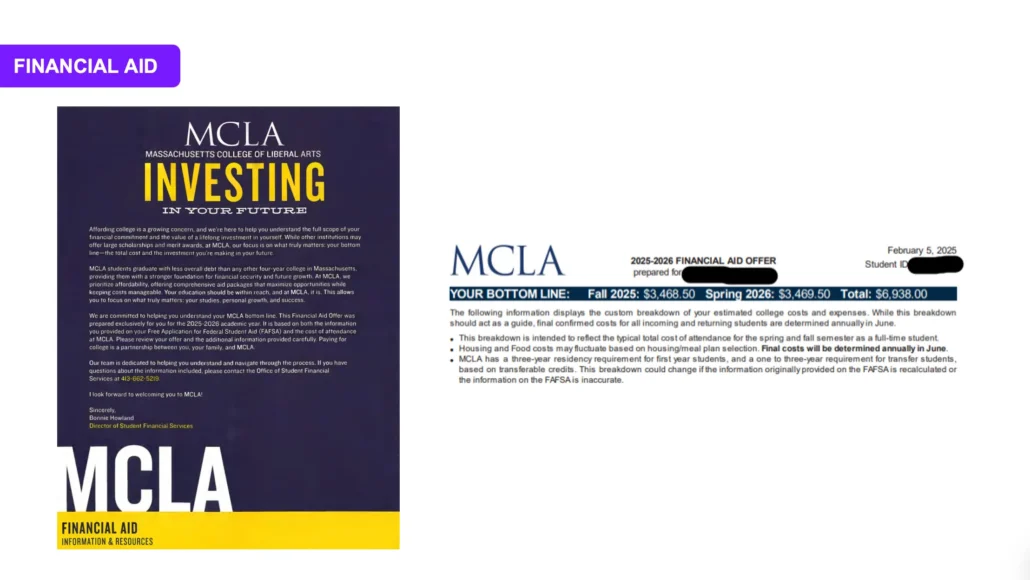
Kristin Nichols of the Massachusetts College of Liberal Arts and Laura Rudolph, founder of Square One Consulting, shared a simple but powerful message: clarity is not just a communication strategy; it’s an access strategy.
Confusing language, financial aid communications, and enrollment processes create unnecessary barriers for students and families, particularly first-generation students. Rudolph emphasized the point by sharing real text messages from her family.
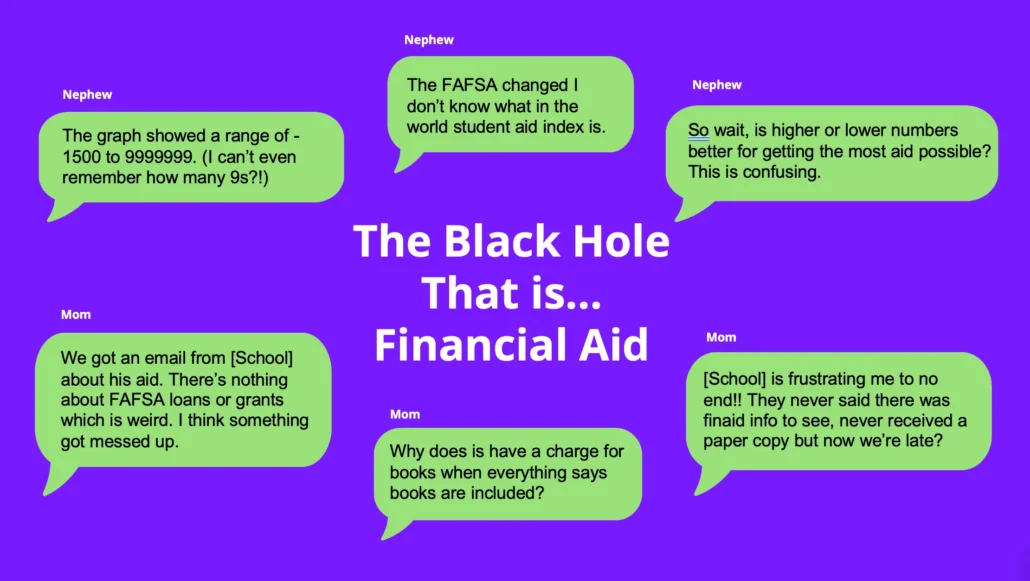
Simplifying money-related explanations, reducing jargon, and creating more human-centered communications can strengthen trust and help students move forward with confidence. The duo shared an example of how MCLA clearly communicates its tuition breakdown in simple bullet points.
What marketers can do now: Mystery shop one of your recent admissions or financial aid emails and ask whether a student who has never navigated higher education would immediately understand what action to take. See an example from Fox Valley Technical College.
Related: The Art of Prospect Nurturing
Peter Cropper from Concorde Career College focused on the complexity that often exists between marketing systems, enrollment systems, and student experiences.
His session highlighted a reality many institutions face: teams often define engagement differently, create disconnected handoffs, and make assumptions about what student actions mean. The opportunity is to align communications around real student behavior rather than internal processes.
The conversation reinforced an idea that emerged in several sessions throughout the conference: successful marketing increasingly depends on understanding the entire student journey, not just generating inquiries.
What marketers can do now: Review one stage of your enrollment funnel and ensure every team involved shares the same definition of success. See an example from Owens Community College.
Related: Standing Out in a Saturated Market

2. Sometimes Doing More Means Doing Less
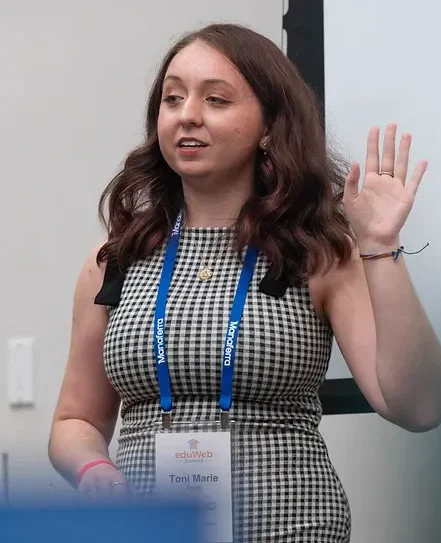
Toni Marie Perilli from Fordham University shared a refreshingly practical case study on retention marketing. Perilli challenged the idea that more communications automatically create better outcomes.
By consolidating newsletters, simplifying targeting, improving content relevance, and reducing operational complexity, her team increased engagement while simultaneously reducing workload and technology costs. The session highlighted that students are overwhelmed by messages and marketing teams are overwhelmed by production demands. Simplification can benefit both audiences.
What marketers can do now: Audit an existing communication stream and identify opportunities to consolidate messages instead of adding new ones.
Related: Student Retention Strategies That Matter Most in Higher Education
3. Great Campaigns Create Participation, Not Just Awareness
Natalie Ipson and Chad Little used Brigham Young University‘s 150th anniversary celebration to demonstrate how content-first campaigns can create lasting engagement when audiences become active participants.
Rather than relying solely on promotional messaging, BYU built a year-long campaign around participation. Students, alumni, faculty, and staff were invited to complete service projects, contribute department-led initiatives, participate in a digital scavenger hunt, attend monthly “Nights of Light” events, and share photos, videos, memories, and stories throughout the celebration.
The campaign generated more than 100 unit projects, over 16,000 participant submissions through its digital passport, and more than 2 million engagements. Departments were able to continue using that authentic content beyond the anniversary.
What marketers can do now: Before launching your next campaign, define the action you want your audience to take, not just the message you want them to see. Then create opportunities for them to participate. Whether it’s inviting students to share their experiences, encouraging alumni to contribute memories, or asking faculty and staff to showcase their work, user-generated content is often more authentic, scalable, and engaging than content created by the marketing team alone.
Related: Proven Ways to Engage Students & Meet Enrollment Goals
4. Brand Awareness Still Matters When Entering New Markets
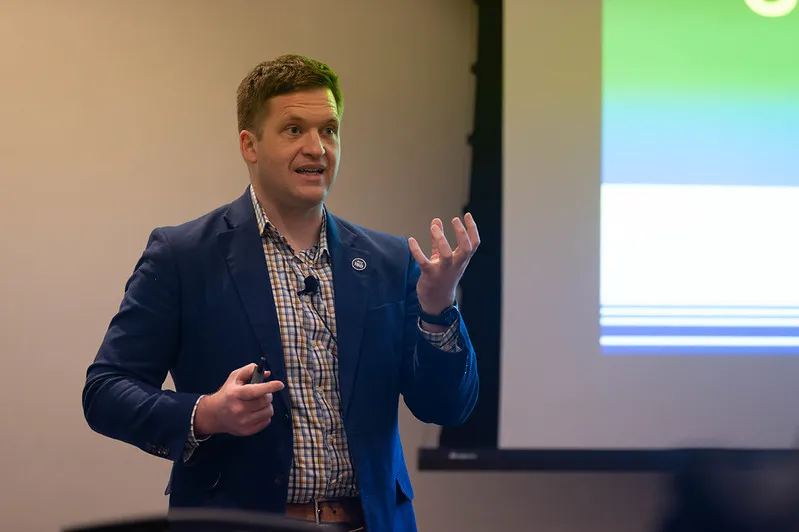
Jeff Holeman, CMO of the University of Florida – Warrington College of Business, shared lessons from launching and expanding programs into new markets, emphasizing the importance of building awareness before expecting enrollment results.
His case study demonstrated that market expansion requires more than search campaigns and conversion tactics. It requires strategic awareness-building, local credibility, and sustained engagement before prospective students are ready to act.
For institutions pursuing new geographies, audiences, or academic offerings, the reminder was timely: enrollment growth often starts with visibility and trust.
What marketers can do now: Evaluate whether your goals in a new market match your audience’s current level of familiarity with your institution. Align your KPIs with your objectives. Measure awareness campaigns by reach and visibility, engagement campaigns by consideration, and enrollment campaigns by conversions rather than expecting every tactic to generate applications immediately.

Bringing It All Together
While AI dominated many conference conversations, the most valuable takeaway from eduWeb Summit 2026 wasn’t that the institutions making progress are those that are simplifying communication, creating more meaningful engagement, and building experiences that help students move forward with confidence.
AI, analytics, and emerging platforms may change how students discover and interact with colleges. But the fundamental challenge is still helping students make informed decisions in moments that can feel overwhelming. The marketers who succeed will be those who combine new technology with something much more timeless: clarity, trust, and a deep understanding of student needs.
Which of these ideas would have the biggest impact at your institution?
If you’re ready to simplify the student journey, strengthen enrollment marketing, or develop a strategy for sustainable growth, connect with the team at Stamats. We’re happy to share what’s working across higher ed and explore what’s possible for your campus. Schedule a call today.
Let Stamats Help You
Interested in applying these ideas on your campus? The team at Stamats helps colleges and universities turn strategy into measurable results. Let’s talk.