
Stay Ahead of the ADA Title II and HHS Section 504 Accessibility Deadline
Stamats helps higher education and healthcare organizations comply with federal accessibility requirements.
Don’t risk funding loss or legal action. Partner with experts who understand digital accessibility.
Common Accessibility Challenges
- Low Color Contrast
Insufficient contrast between text and background makes calls-to-action and button labels difficult to read, especially for users with low vision or color blindness.
- Missing Alt Text
Images and infographics without alt text become invisible to screen reader users, limiting access to critical content and guidance.
- Inaccessible Forms
Online forms without proper labels or error messaging prevent patients from scheduling appointments, completing intake, or paying bills independently.
- Non-Compliant PDFs
Scanned or untagged PDFs, such as discharge instructions or consent forms, are unreadable by assistive technologies and violate WCAG and Section 504 standards.
Our 5-Phase Web Accessibility Compliance Framework
Discovery and Ownership Mapping
We start by identifying all digital stakeholders and mapping responsibilities. This includes building RACI charts to clarify who owns what—ensuring accountability across web, app, content, and vendor teams.
Manual and Assistive Technology Testing
Our experts manually test representative pages using leading screen readers like NVDA, VoiceOver, and TalkBack across Windows, Mac, iOS, and Android. We conduct tab-through and keyboard-only tests to detect issues automated tools can’t catch.
Automated Testing and Tool Validation
We use tools such as the WAVE Accessibility Checker to flag violations tied to WCAG 2.2 AA—like heading structure, link labeling, and color contrast. Every flagged issue is reviewed and confirmed by a human expert before it’s included in our report.
Detailed Reporting and Prioritization
Audit results are delivered in a clear, actionable dashboard. Each issue includes a description, WCAG citation, page URL, issue type (content or development), responsible team, and estimated level of effort. We prioritize all issues from 1 (critical) to 3 (low impact) so your team knows exactly where to focus.
Strategic Debrief
We walk your team through the findings in a collaborative review session. You’ll leave with a clear understanding of what’s needed to reach compliance, along with a timeline, next steps, and stakeholder alignment.
Why ADA Title II and Section 504 Compliance Matters Now
- May 2024: HHS Finalizes Section 504 Rule
The U.S. Department of Health and Human Services established WCAG 2.1 AA as the required accessibility standard for healthcare organizations receiving federal financial assistance, including hospitals, clinics, and academic medical centers. - April 2024: DOJ Finalizes ADA Title II Rule
The U.S. Department of Justice established WCAG 2.1 AA as the accessibility standard for public entities, including public colleges and universities, public hospitals, and state and local government organizations - Limited Compliance Window: Audit, Remediate, Govern
Organizations now have a limited window to assess digital accessibility, remediate issues, train content contributors, and establish governance procedures before enforcement deadlines arrive. - Key Enforcement Deadlines
- ADA Title II (50,000+ population): April 26, 2027
- HHS Section 504 (15+ employees): May 11, 2027
- ADA Title II (smaller public entities): April 26, 2028
- HHS Section 504 (fewer than 15 employees): May 10, 2028
- Beyond the Deadline: Ongoing Accessibility Governance
Accessibility is not a one-time remediation effort. Sustaining compliance requires ongoing monitoring, content governance, staff training, and accessibility oversight as websites, applications, and digital content evolve
Our Comprehensive Compliance Services
Digital Auditing
Complete assessment of websites, mobile apps, patient portals WCAG 2.1 AA standards with detailed reporting.
Remediation
Expert fixing of accessibility gaps through code changes, UX improvements, and content updates to achieve full WCAG 2.1 AA compliance.
Vendor Review
Evaluation of third-party systems and VPATs to identify and mitigate accessibility risks from integrated technologies.
Team Training
Role-specific accessibility education for content creators, designers, and developers to maintain compliance independently.
Start Your Compliance Journey Today
Until the 2027 enforcement dates
Employee threshold to comply
WCAG 2.1 AA compliance will be standard
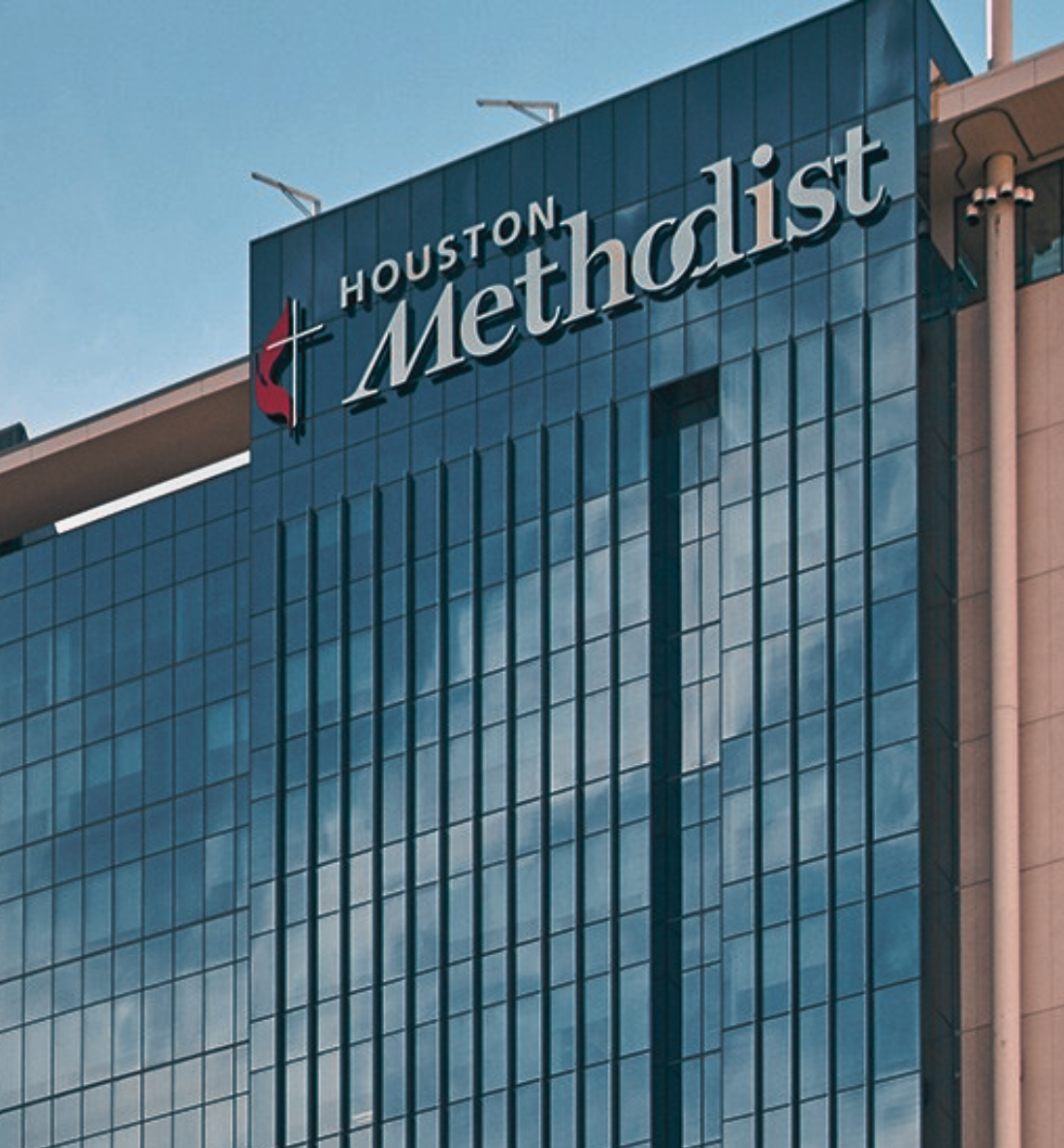
Success Story: Houston Methodist Hospital
By the end of the engagement, Houston Methodist had a clear, prioritized roadmap to reduce complexity, increase operational efficiency, and proactively meet Section 504 requirements. Accessibility and usability were embedded in every decision.
This project resulted in four key outcomes to enhance their accessibility initiative:
- Detailed development team sprint plan
- Accessibility training workplan
- Positioning to meet overall compliance deadline
- Clear communication for leadership on the roadmap
This work positioned Houston Methodist for digital excellence. By treating accessibility as a strategic imperative, not just a legal requirement, the organization demonstrated its commitment to patient-centered innovation.
Avoid Last-Minute Scrambles and Legal Risk
Book your strategy session with Stamats now or email us at [email protected] to begin your Section 504 compliance journey.